
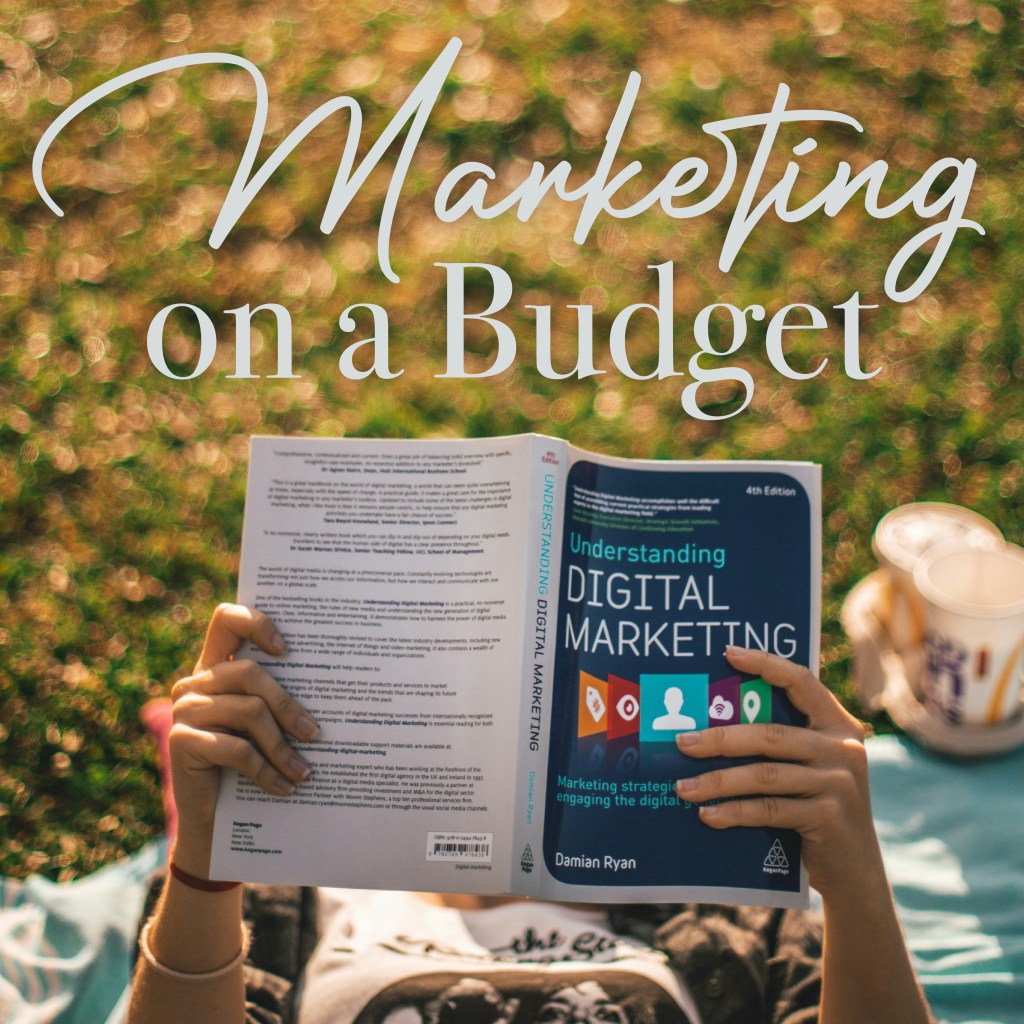
Marketing your small business doesn’t have to break the bank. With the right strategies and a little creativity, you can make a big impact while keeping costs low. Whether you’re just starting out or looking to revamp your current efforts, here are effective ways to market your business on a budget.
1. Leverage the Power of Social Media
Social media platforms offer small businesses a way to reach customers where they spend the most time. Platforms like Instagram, Facebook, LinkedIn, and TikTok have millions of active users, allowing you to connect with potential customers without paying for ads. While organic reach has become more challenging over time, consistent and authentic engagement can help your business stand out. The key to success on social media is choosing the platforms that align with your business and target audience. If you’re in a visual industry such as design, fashion, or food, Instagram might be your best bet. For B2B services, LinkedIn is a goldmine of networking opportunities.
Maintaining a consistent posting schedule is crucial for staying visible. Start by mapping out a content calendar for each platform, focusing on a mix of content types that resonate with your audience. Photos, videos, behind-the-scenes stories, and user-generated content can keep your feed fresh. Tools like Buffer or Hootsuite can help you schedule posts in advance, ensuring you stay on track without scrambling for content each day. Social media is also about conversation, not just broadcasting. Make sure you’re responding to comments, engaging with your followers, and participating in relevant discussions.
Another low-cost strategy is to encourage user-generated content (UGC). People love to share their experiences, especially when it comes to products or services they enjoy. Create a hashtag for your brand or run a contest where customers submit photos using your product or service. When your followers share this content, it acts as free marketing and builds trust with potential customers. After all, seeing real people interact with your brand is often more compelling than polished advertising.
2. Harness the Power of Email Marketing
Email marketing is one of the most effective ways to connect directly with your audience—at a minimal cost. Platforms like Mailchimp, ConvertKit, or Sendinblue offer free tiers for smaller businesses, allowing you to send professional, targeted emails without a hefty investment. Email marketing allows you to build a relationship with your customers and leads, keeping them informed about new products, promotions, or valuable content. Best of all, you own your email list, which is not subject to the algorithm changes that can affect social media reach.
To build your email list, offer something of value in exchange for a subscriber’s email address. This could be a discount on their first purchase, a free guide or eBook, or access to exclusive content. Be sure to add a subscription form to your website and promote it across your social media platforms. Segmenting your audience is another essential step. Not all customers are interested in the same thing, so tailoring your emails based on their behavior—such as past purchases or interests—can significantly increase engagement.
Automating your email marketing can save you time while improving results. For instance, set up welcome emails for new subscribers or send drip campaigns that nurture leads over time. You can also schedule emails around special occasions, such as holiday sales or customer birthdays, which adds a personal touch to your communication. Measuring the success of your emails through metrics like open rates, click-through rates, and conversions will help you tweak your strategy and ensure you’re maximizing the impact of each campaign.
3. Optimize Your Website for SEO
Search engine optimization (SEO) allows you to attract organic traffic to your website, without paying for ads. By optimizing your site for search engines like Google, you can rank higher in search results when potential customers look for products or services you offer. The best part is that SEO is a long-term strategy—investing time now will continue to pay off down the road, as your content gains traction and visibility.
One of the first steps in optimizing your website is to conduct keyword research. Keywords are the words and phrases that people type into search engines when looking for something specific. By identifying the keywords your potential customers are searching for, you can incorporate them into your website content, blog posts, product descriptions, and meta tags. There are free tools available, such as Google Keyword Planner, that can help you discover the most relevant keywords for your industry.
Content is another crucial component of SEO. Creating valuable, high-quality content not only helps improve your rankings but also positions you as an expert in your field. Regularly publishing blog posts, articles, or tutorials that answer common questions or solve problems for your target audience will attract more visitors to your site. Local SEO is especially important for small businesses. Optimizing for local searches means including your business location in strategic places like your meta descriptions and business listings. Ensure that your business is listed in Google My Business to improve your visibility in local search results.
4. Partner with Other Small Businesses
Collaborating with other small businesses is an excellent way to stretch your marketing budget further while gaining exposure to a new audience. Strategic partnerships allow you to share resources, whether it’s co-hosting an event or cross-promoting on social media. The key to successful collaboration is choosing a partner whose business complements your own, without being a direct competitor. For instance, a bakery might team up with a local coffee shop to offer a joint promotion that benefits both parties.
One powerful collaboration strategy is hosting joint events, whether in person or online. This could be a webinar, Instagram Live session, or even a pop-up market where you and your partner business share the stage. Events like these allow you to introduce your business to a new audience, while splitting the cost and effort of hosting. Cross-promotion is another simple but effective way to partner with other businesses. Sharing each other’s content or products with your respective audiences through email newsletters or social media exposes you to potential customers who are already primed to trust you because of the partnership.
Offering bundled deals is another strategy that can benefit both your business and your partner’s. For example, if you run a fitness studio, you might team up with a local smoothie bar to offer a package deal: customers who sign up for a class get a discount on a smoothie afterward. This not only boosts sales for both businesses but also enhances the customer experience, making it more likely they’ll return.
5. Utilize Free Tools and Resources
There’s an abundance of free tools available to help you execute professional-level marketing without the expense. One of the most valuable tools for small business owners is Canva, a user-friendly design platform that allows you to create high-quality visuals for your social media, website, and even printed materials. The free version provides access to a wide range of templates and design elements, meaning you can produce polished marketing materials without hiring a graphic designer. Visual content is crucial for engagement, especially on platforms like Instagram and Pinterest, where high-quality images and infographics can make a big difference.
Google Analytics is another indispensable tool. This free service from Google allows you to track and analyze your website’s traffic. You can see which pages are most popular, where your visitors are coming from, and how they’re interacting with your site. This information is invaluable for optimizing your marketing efforts, ensuring you focus on strategies that drive the most traffic and conversions. Monitoring metrics like bounce rate, session duration, and conversion rates helps you understand how effective your website is and where there’s room for improvement.
There are also scheduling tools like Buffer and Hootsuite that allow you to plan and schedule social media posts in advance. This ensures a steady stream of content, even when you’re busy with other aspects of your business. The free versions of these tools often include basic features like post scheduling and basic analytics, making it easier to maintain a consistent presence on social media without having to manually post each day.
6. Tap into Online Communities
Online communities can be a goldmine for small businesses looking to build relationships and gain exposure on a budget. Whether it’s a Facebook group, a Reddit community, or a specialized industry forum, being active in these spaces allows you to engage with potential customers in a more personal and authentic way. These platforms are often filled with people seeking advice, recommendations, or solutions—by providing valuable input, you can position your business as a trusted resource.
When engaging with online communities, the key is to provide value first. Instead of diving straight into self-promotion, focus on helping others by answering questions or sharing useful insights. For instance, if someone in a business forum is looking for advice on logo design, you could offer some tips or examples, subtly demonstrating your expertise. Over time, this kind of authentic engagement builds trust and authority, making people more likely to turn to your business when they need your services.
Authenticity is crucial in these communities. Most online groups are wary of businesses that only participate to advertise their products. Instead of pushing promotions, focus on building genuine relationships. Once you’ve established a presence, you can mention your business or offer services in a way that feels natural and helpful rather than salesy. Also, be sure to respect the community’s rules—many forums have strict guidelines about self-promotion.
7. Offer a Referral Program
Word-of-mouth marketing is one of the most powerful tools available to small businesses, and it doesn’t cost much to implement. A happy customer recommending your business to their friends or family can result in new leads who are already inclined to trust you. Setting up a referral program is an easy way to encourage this behavior, turning your satisfied customers into advocates for your brand.
The first step in creating a referral program is deciding what kind of incentive to offer. It doesn’t have to be expensive; a small discount, free product, or exclusive service can be enough to motivate customers to share your business with others. Be clear about the reward for both the referrer and the new customer. For example, you might offer a 10% discount to the referrer for every new customer they bring in, while the new customer also enjoys a discount on their first purchase.
Make sure your referral program is easy to understand and use. Provide customers with a unique referral link they can share via email or social media. You can also provide physical referral cards if your business has a brick-and-mortar presence. Promote your referral program on your website, social media channels, and through email marketing to ensure that customers are aware of it. Over time, a well-run referral program can significantly increase your customer base with little upfront cost.
8. Track and Tweak Your Efforts
Measuring the success of your marketing efforts is crucial for ensuring you’re getting the most out of your budget. Without tracking key performance metrics, you won’t know which strategies are driving results and which are falling flat. Set clear goals for each marketing campaign, whether it’s increasing website traffic, generating more leads, or boosting sales. With those goals in mind, regularly review your data to see how well you’re meeting them.
Use tools like Google Analytics, social media insights, and email marketing platforms to track performance. Pay attention to key metrics such as website traffic, conversion rates, email open rates, and engagement on social media posts. For example, if you notice that a particular type of social media post consistently receives more engagement, you can focus more effort on creating similar content. Conversely, if a strategy isn’t working, don’t be afraid to tweak or abandon it in favor of more successful approaches.
Testing and learning is an ongoing process. Try A/B testing different marketing tactics to see what resonates best with your audience. For instance, you could test two versions of an email subject line to see which generates higher open rates. By continuously refining your approach based on the data, you’ll ensure that your marketing efforts remain efficient and effective, even on a budget.
By using these budget-friendly strategies, you can effectively market your small business without overspending. With a little creativity and consistency, your marketing efforts can drive results that support long-term growth.
 Night Owls Creative